

The Backyard Society Edition 6: Don’t Do These Things If You Own a Spa: Common Hot Tub Mistakes to Avoid
Fortunately, many common hot tub mistakes are easy to avoid once you know what causes them. Consistent water testing, filter care, proper product use, and prompt attention to unusual changes can help protect your spa and keep it ready to enjoy.
Whether you recently purchased a hot tub or have owned one for years, avoiding these hot tub maintenance mistakes can make spa ownership simpler and more comfortable.
Why Small Hot Tub Maintenance Mistakes Matter
A hot tub is a complete water-care and mechanical system. The water, filter, pumps, heater, plumbing, cover, and controls all work together.
When one part is neglected, other parts may be affected. Improperly balanced water can become uncomfortable and place additional strain on spa components. A dirty filter may restrict water flow. A damaged cover can allow more debris into the spa and make it harder to retain heat.
Following a regular hot tub maintenance schedule can help you catch small concerns before they become more disruptive. Your exact routine should always reflect your spa model, water source, sanitizer system, frequency of use, and manufacturer instructions.
Common Hot Tub Mistakes Spa Owners Should Avoid
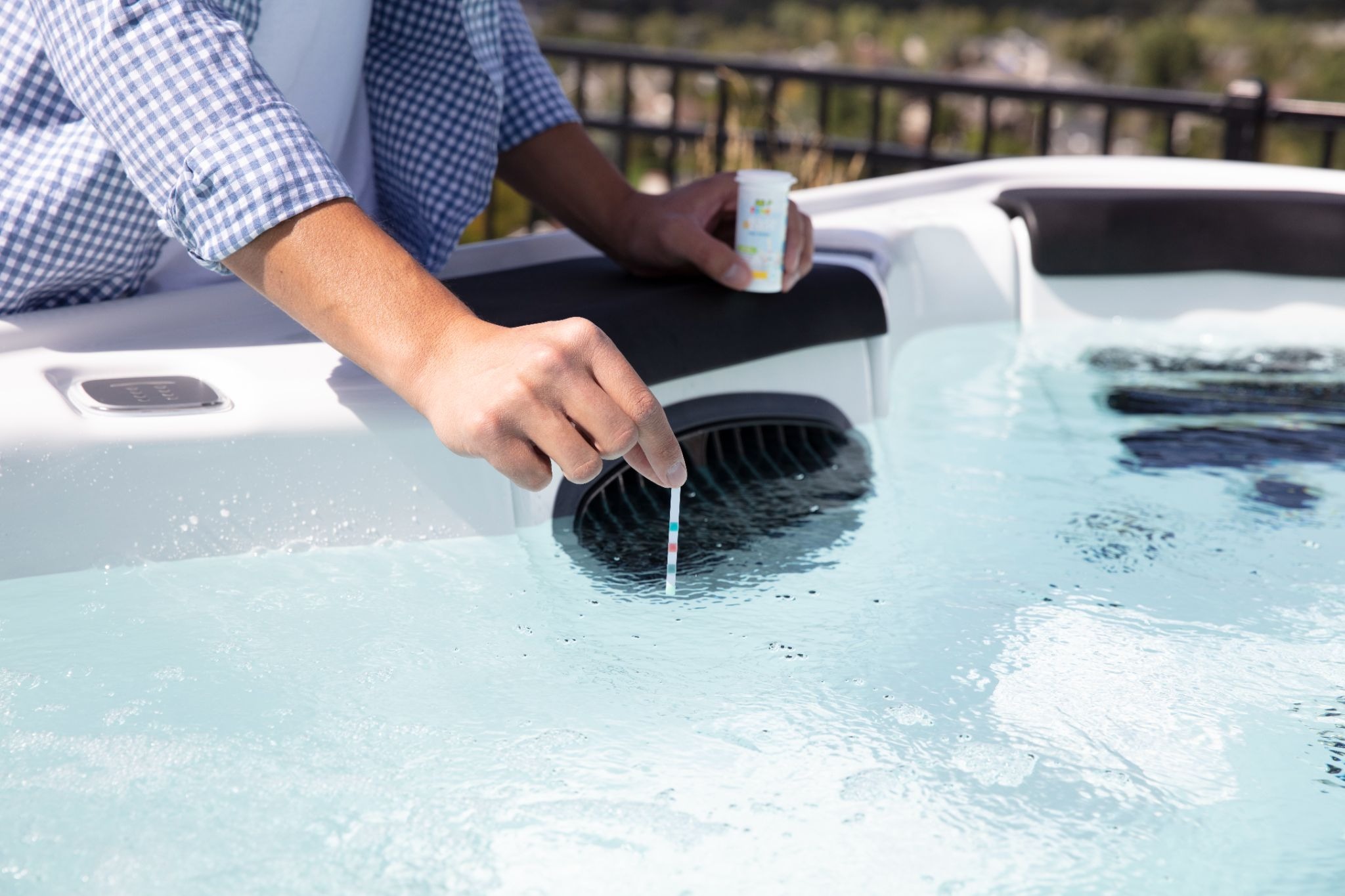
1. Waiting Until the Water Looks Dirty to Test It
Clear water is not necessarily balanced water. Some changes in sanitizer, pH, or alkalinity may not be immediately visible.
Waiting for cloudiness, foam, discoloration, or odor before testing can allow a manageable imbalance to become more difficult to correct. Regular testing gives you a clearer picture of the water before problems become obvious.
The CDC recommends testing disinfectant and pH levels regularly and notes that the number of people using a hot tub can affect disinfectant levels. Follow the instructions for your testing system and check the water more frequently during periods of heavy use.
Sunsplash Pools and Spas also offers professional spa chemicals, testing products, and water-care guidance. You can bring a fresh water sample to the Cottonwood showroom for testing and product recommendations.
2. Adding Chemicals Without Testing First
Adding a product simply because the water “seems off” is one of the most common hot tub chemical mistakes.
Cloudiness, foam, odors, and discoloration can have different causes. Adding the wrong treatment, or adding more than the water needs, may create another imbalance instead of correcting the original problem.
Test first, review the results, and use only the appropriate spa-specific product. Follow the product label and your spa manufacturer’s water-care instructions carefully.
When several readings are outside their recommended ranges, correct them in the proper order rather than pouring multiple products into the spa at once.
3. Guessing Chemical Amounts or Mixing Products
More product does not always mean cleaner water.
Chemical treatments are designed for specific water volumes and conditions. Guessing the amount can lead to overcorrection, wasted product, uncomfortable water, or possible damage to spa surfaces and equipment.
Measure products carefully and add them according to their labels. Never combine concentrated spa chemicals, and do not mix products together before adding them to the water.
Store chemicals in their original containers, keep their labels attached, and follow all handling and storage directions. When you are unsure which product your water needs, ask a water-care professional before experimenting.
4. Neglecting the Spa Filter
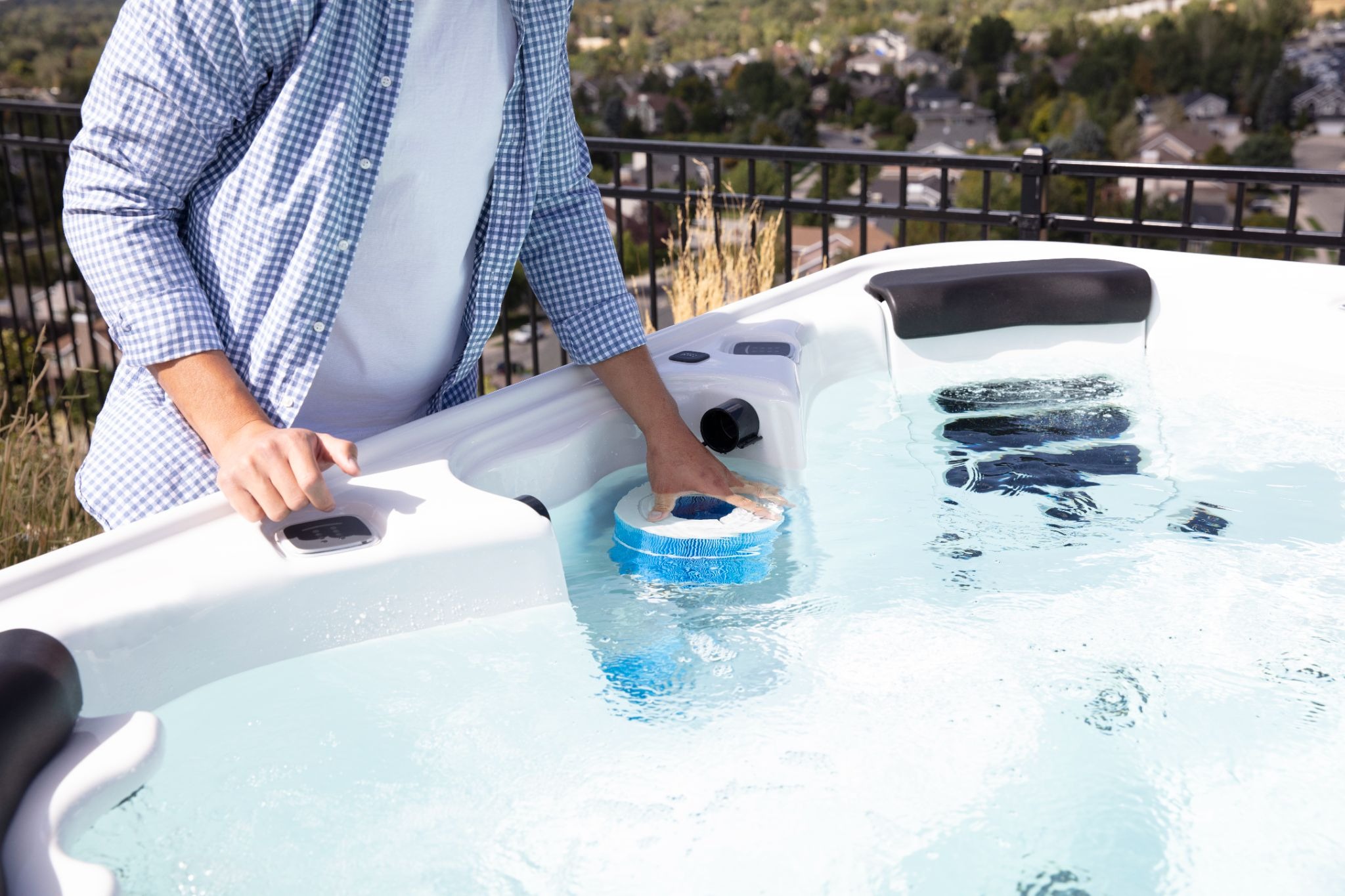
Your filter continually captures oils, debris, particles, and other material from the water. As buildup accumulates, the filter becomes less effective and may restrict circulation.
A neglected filter can contribute to cloudy water, reduced jet performance, heating concerns, and additional strain on the spa’s circulation system.
Inspect and rinse your filter according to the manufacturer’s instructions. It may need more frequent attention after heavy use, windy weather, or periods when extra debris enters the water.
Filters also need periodic replacement. Cleaning cannot restore a filter indefinitely, so check for discoloration, damaged pleats, worn material, or buildup that does not rinse away.
5. Using Household Cleaning Products
Household soaps, glass cleaners, detergents, and all-purpose cleaners are generally not designed for hot tub surfaces or water systems.
Residue from these products may cause foaming, interfere with water chemistry, or affect spa materials. Even a small amount of ordinary soap can create a surprising amount of foam once the jets begin running.
Use products specifically labeled for spas and compatible with your model. When cleaning the shell or cover, follow your manufacturer’s directions and rinse away any approved cleaning product as instructed.
6. Leaving the Cover Off When the Spa Is Not in Use
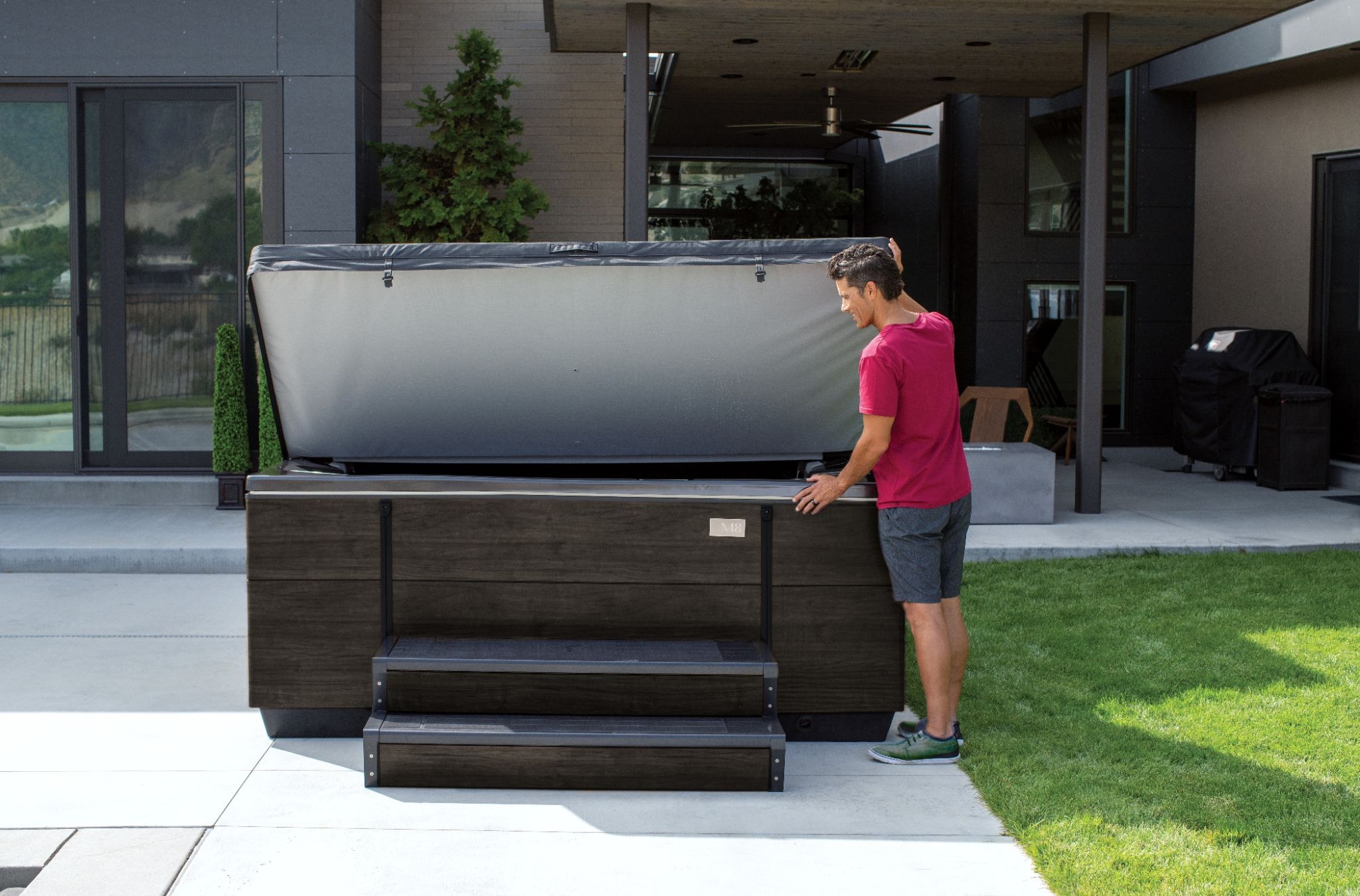
A properly fitting cover does more than keep leaves out of the water. It helps limit exposure to dust, wind-blown debris, sunlight, and other outdoor conditions while supporting heat retention.
Leaving the cover off unnecessarily can increase evaporation and allow more material to enter the spa. In Northern Arizona, blowing dust, plant debris, dry conditions, and intense sun exposure can make cover care especially important.
Keep the spa covered and secured when it is not being used. Clean the cover regularly, inspect it for cracking or damage, and avoid placing heavy objects on top of it.
7. Keeping the Water Too Hot
Hotter is not always better.
The U.S. Consumer Product Safety Commission advises that hot tub water temperature should never exceed 104°F. Excessive temperatures can increase health and safety risks, particularly during longer soaking sessions or for people with certain medical considerations.
Check the displayed temperature before entering and use an accurate thermometer when needed. People who are pregnant, have health conditions, take medications, or have questions about heat exposure should speak with an appropriate healthcare professional for individualized guidance.
Children should be closely supervised around any pool or spa, and owners should follow all manufacturer and safety instructions.
8. Bringing Lotions, Oils, and Detergent Into the Water
Body oils, cosmetics, sunscreen, hair products, and detergent trapped in swimwear can all affect hot tub water.
These substances may contribute to foam, a visible waterline ring, cloudy water, unpleasant odors, or faster filter buildup. The more people who use the spa, the more quickly these contaminants can accumulate.
A quick shower before entering can reduce the amount introduced into the water. It can also help to rinse swimwear thoroughly and avoid washing spa-only suits with excessive detergent or fabric softener.
After parties, family visits, or other periods of heavy use, test the water and inspect the filter sooner than usual.
9. Ignoring Cloudiness, Odors, Leaks, or Unusual Sounds
Changes in your spa are often easier to address when they first appear.
Do not ignore:
Water that remains cloudy after normal care
Strong or unusual odors
Persistent foaming
Falling water levels
Water around the spa cabinet
Weak or inconsistent jet pressure
Unusual pump or motor noises
Heating changes
Repeatedly tripped breakers
Control-panel error messages
Some symptoms may be related to water balance or a dirty filter, while others may indicate a leak, circulation problem, heater concern, electrical issue, or failing component.
If basic owner care does not resolve the problem, schedule professional hot tub repair services. Sunsplash Pools and Spas provides leak detection, pump and jet repairs, heater diagnostics, plumbing repairs, and assistance with control-panel and electrical issues.
10. Attempting Complex Repairs Yourself
Routine owner care and technical repair are not the same thing.
Testing water, rinsing a filter, wiping the waterline, and checking the cover are common ownership tasks. Opening electrical panels, replacing heaters, diagnosing pumps, repairing plumbing, or altering control systems requires specialized knowledge.
Attempting a complex repair without the correct training can create safety concerns, cause additional damage, or affect warranty coverage.
Turn off and secure the spa when instructed by the manufacturer, and contact a qualified technician when a concern involves electricity, internal components, persistent leaks, heating systems, pumps, controls, or recurring error codes.
11. Draining the Spa Without Checking the Instructions
Draining and refilling are important parts of long-term water care, but they should be performed correctly.
Before draining, review the owner’s manual for model-specific directions. Confirm how to turn off power, where the water can be discharged, whether plumbing treatment is needed, and how the spa should be refilled.
Do not turn spa equipment back on until the water reaches the required level and the system has been prepared according to the manufacturer’s instructions. Running equipment without sufficient water may cause damage.
Draining frequency varies based on water condition, spa size, usage, care system, and manufacturer guidance. Avoid relying on a single universal schedule for every spa.
12. Assuming an Unused Spa Does Not Need Care
Water and equipment still require attention even when no one has soaked recently.
Sanitizer levels can decline, debris can enter the water, filters can collect buildup, and water can evaporate. A vacation property or seasonal-use spa may develop problems when it is left unattended for too long.
Before an extended absence, test and balance the water, inspect the filter, secure the cover, and follow your manufacturer’s vacation-care instructions. Arrange for someone to check the spa when necessary, especially during very hot weather or an extended absence.
Hot Tub Care Considerations for Northern Arizona Owners
Northern Arizona’s environment can influence how often a spa needs attention.
Heat and dry air may increase evaporation. Wind can carry dust, leaves, pollen, and other debris into the water. Monsoon conditions may introduce additional dirt, while mineral content in the water can affect balancing needs.
Your maintenance routine may need to change after:
– Heavy spa use
– Dusty or windy weather
– Monsoon storms
– Long periods of high temperatures
– Refilling with fresh water
– Hosting guests
– Leaving the property unattended
There is no single chemical routine that works for every household. The best approach is to test consistently, track how your water responds, follow model-specific instructions, and seek professional guidance when readings remain difficult to manage.
For homeowners who would rather leave recurring care to an experienced team, Sunsplash Pools and Spas offers professional pool and spa maintenance for Northern Arizona. Spa maintenance visits can include chemical testing and adjustment, filter inspection and rinsing, waterline cleaning, jet operation checks, and maintenance records.
When to Call a Professional
Contact a professional when:
– Water problems continue despite careful testing and treatment
– The spa repeatedly loses water
– The heater does not maintain temperature
– Jets or pumps behave differently than usual
– A breaker trips or an electrical issue is suspected
– An error code keeps returning
– Internal plumbing or equipment needs repair
– You are unsure whether a product is compatible with your spa
– You need help establishing a dependable maintenance routine
As an authorized Bullfrog Spas dealer, Sunsplash Pools and Spas understands the systems and technology used in Bullfrog Spa models while also servicing spas purchased elsewhere.
Avoid Common Hot Tub Mistakes With Local Support
Most common hot tub mistakes come down to inconsistency, guesswork, or waiting too long to address a change.
Testing before treating, cleaning the filter, using spa-specific products, keeping the cover in good condition, and calling a professional when technical concerns arise can help protect your water, equipment, and overall ownership experience.
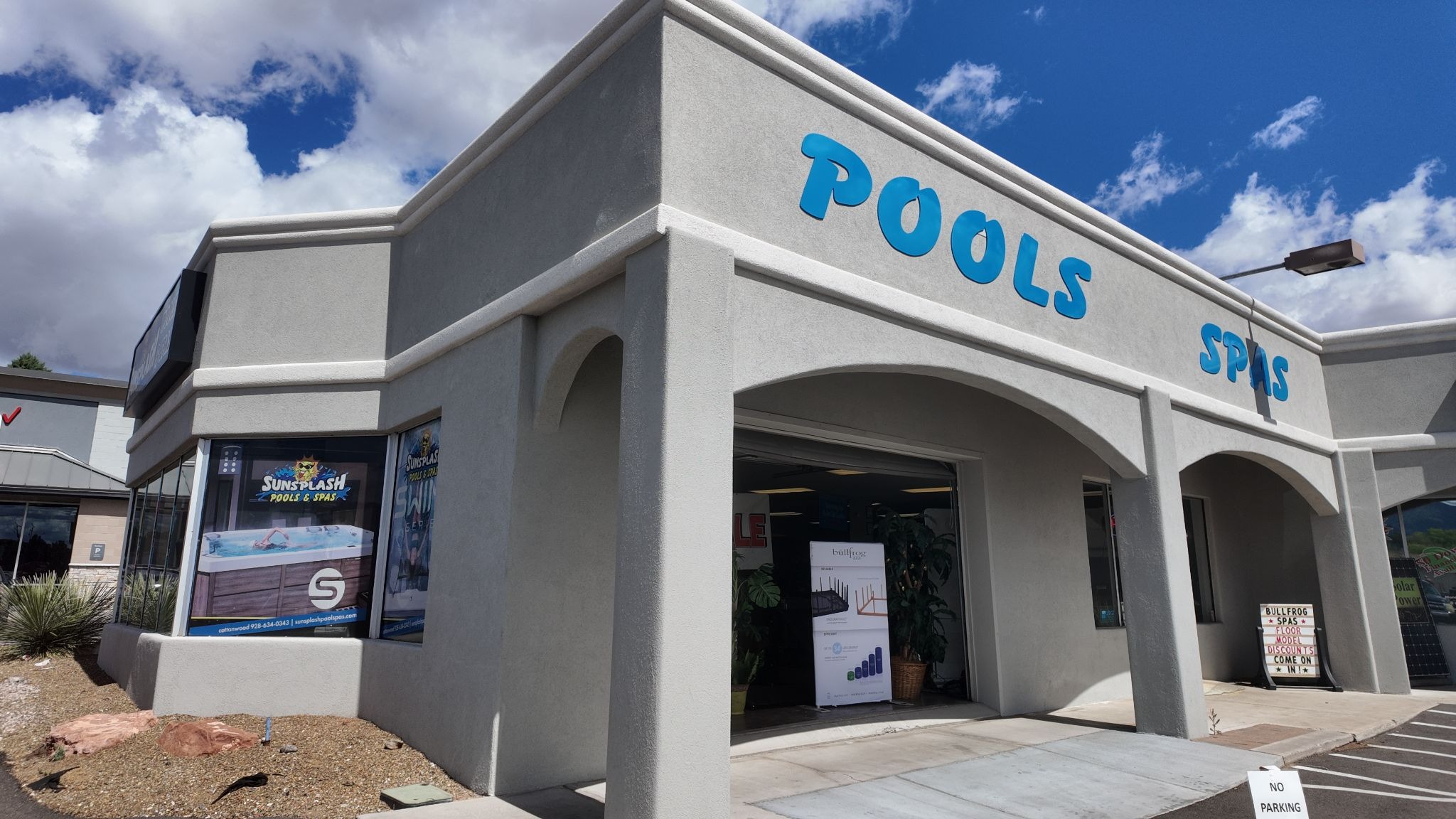
Sunsplash Pools and Spas has served Northern Arizona homeowners for more than 20 years with professional maintenance, repair, water-care products, filters, accessories, and knowledgeable local support.
Contact Sunsplash Pools and Spas or visit the Cottonwood showroom at 885 South Main Street. You can also call (928) 634-0343 for help caring for your spa.
Protect your investment, avoid common hot tub mistakes, and spend more time enjoying the relaxation your spa was designed to provide.